





Equine Sports Massage
What is Equine Sports Massage?
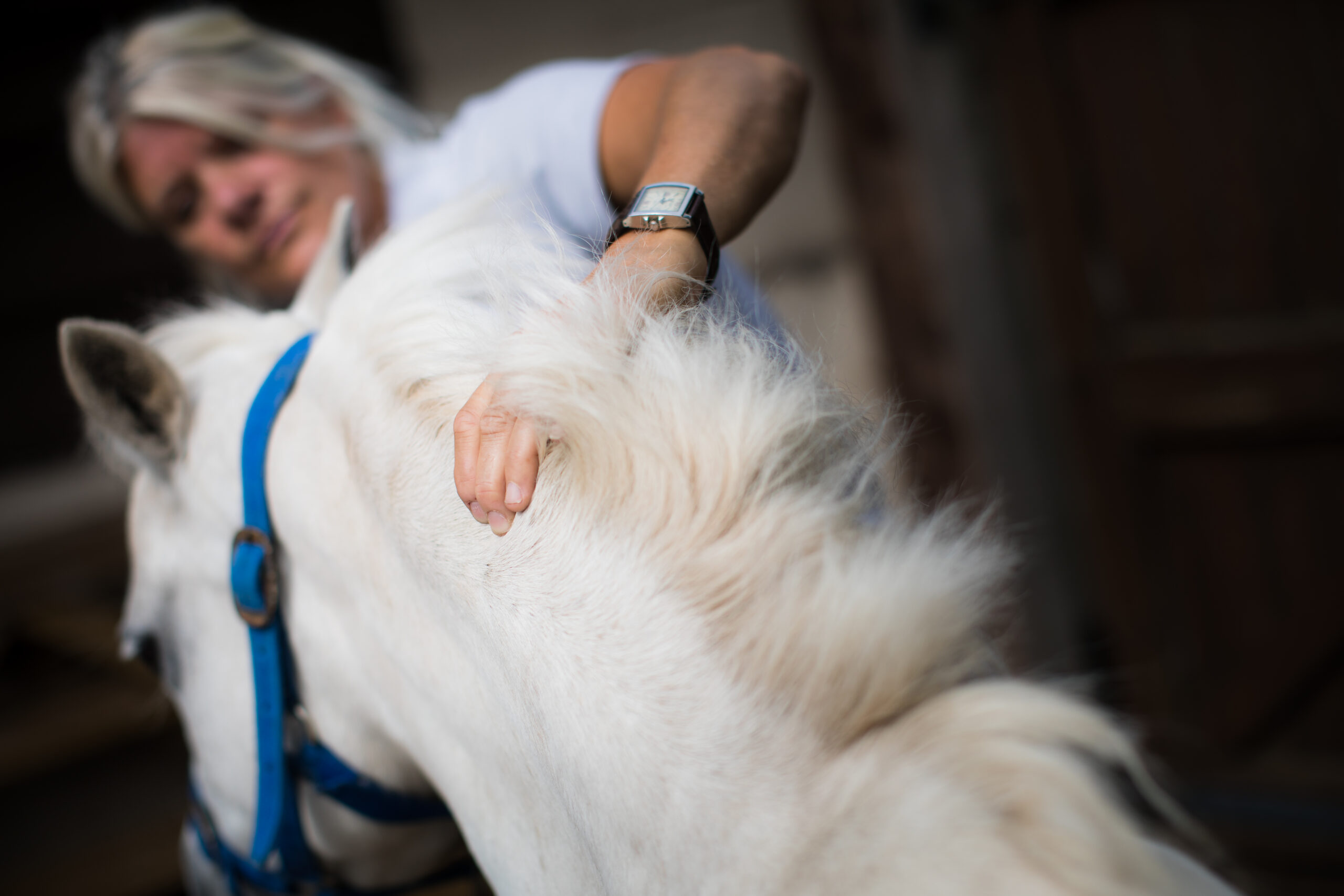
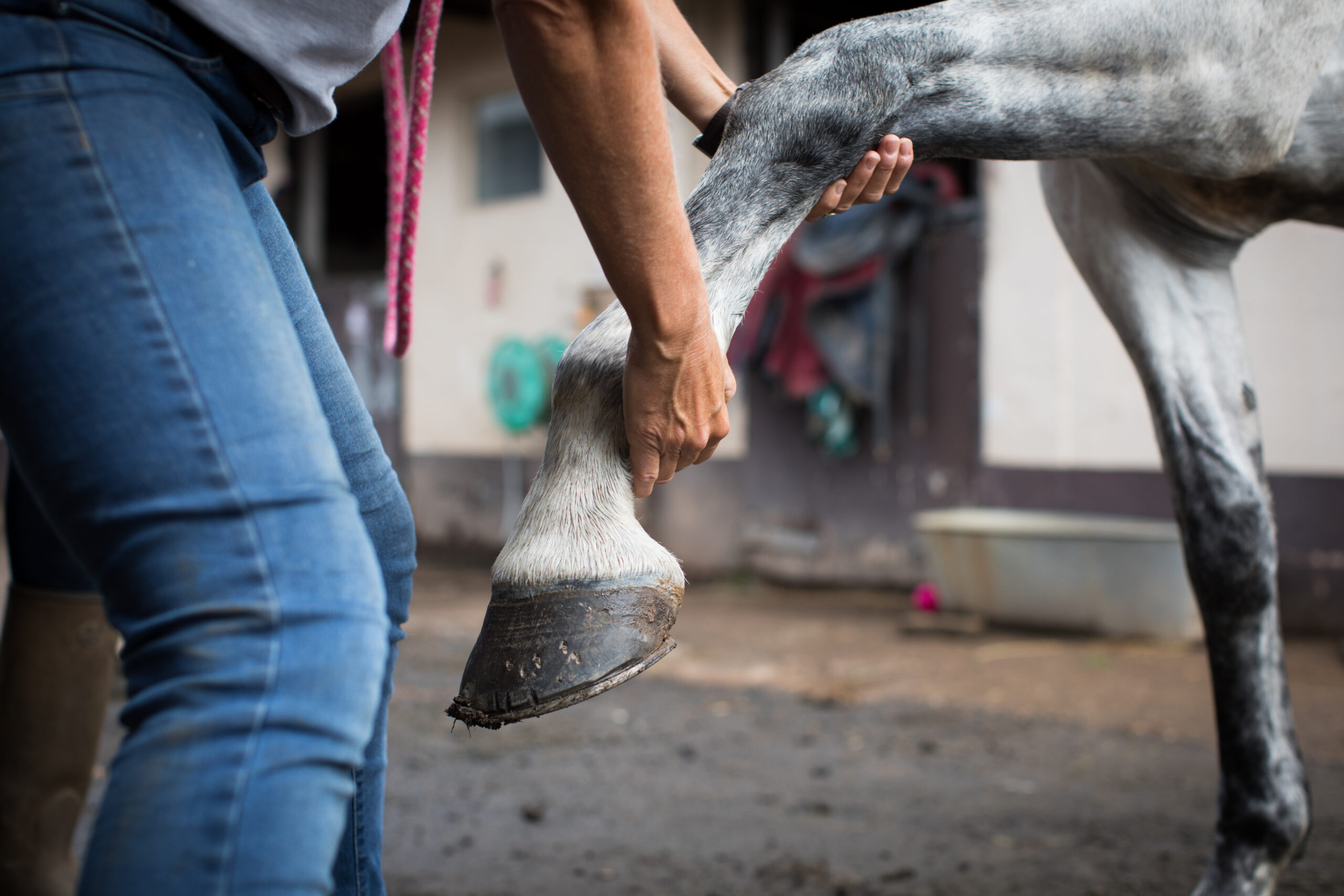
Equine sports massage is not a luxury pampering treatment for you horse, but an essential part of maintenance and treatment of all horses and ponies. Therapeutic Massage can be used to treat a wide range of muscular problems and vets will often refer horses for massage treatment. Over 60% of a horse’s body mass is muscle (compared to humans 35-40%) many physical and behavioural problems can be traced back to muscle tension and dysfunction.
A damaged or tense muscle cannot perform properly. Horses are generally very tolerant animals; they will often put up with an awful lot of pain or discomfort before actually “complaining.” Horses cannot speak, so when they do “complain” they only have one way to tell us, by exhibiting various “bad” behaviour.
If your horse exhibits any of the following. It could be due to muscular pain or discomfort.
- Bucking
- Rearing
- Napping
- Bolting
- Refusing to go forwards
- General laziness
- Over excitable when ridden
- Dislikes being touched in certain areas
- Objections being tacked up
- Head shaking or Head tossing
- Fidgeting when being mounted
- Rushing or Refusing fences
- Lameness (when all medical causes have been ruled out)
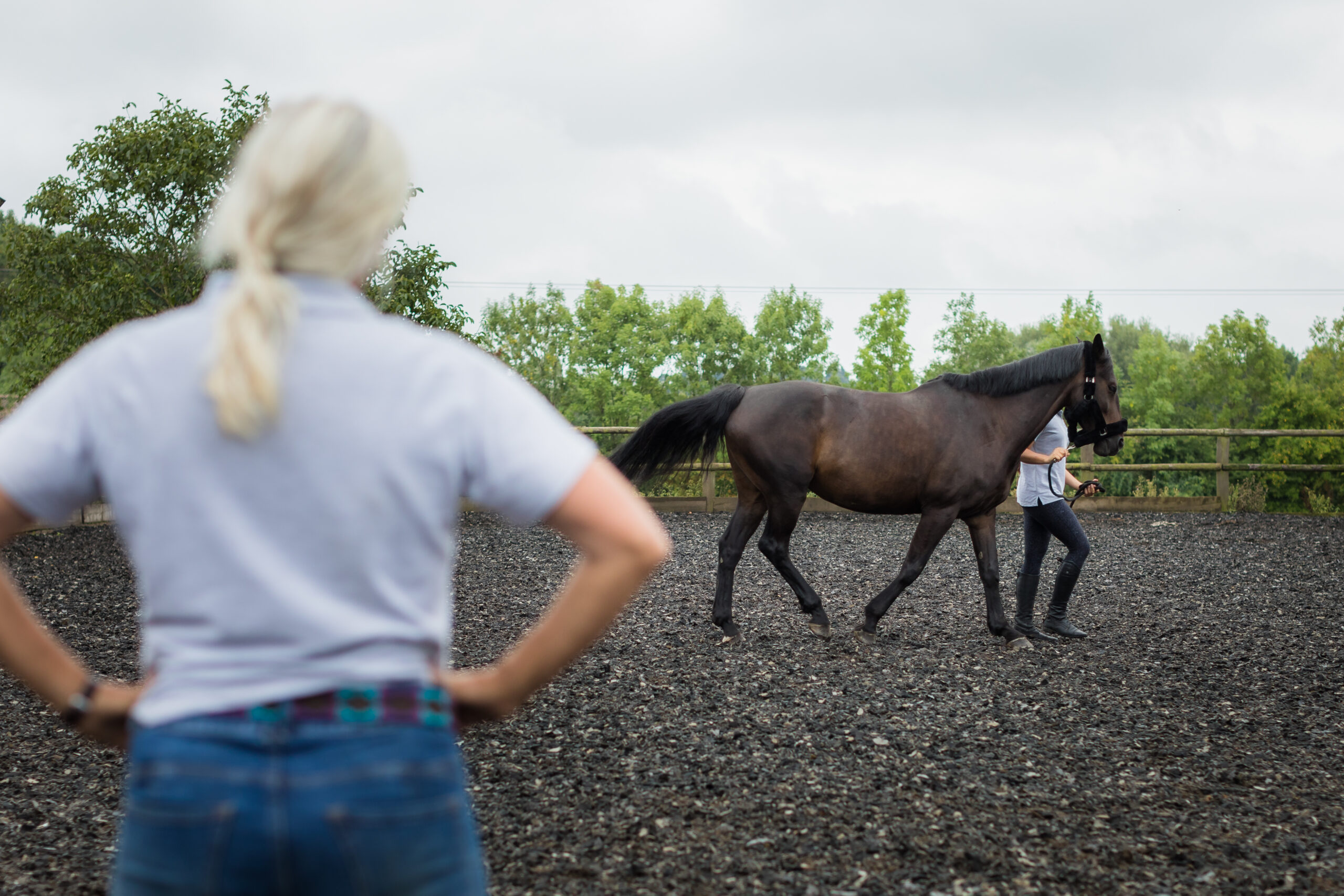
Muscular tension and discomfort can also influence schooling/ridden work. If your horse has trouble with any of the above it may be worth getting them assessed
What to expect in the next 24 – 48 hours post treatment
- Your horse may be a little stiff the next day, this is normal. He needs to be able to walk it off, either put him out to pasture or walk him out in hand for 10 -20 minutes, 3-4 times a day if access to pasture is limited, he will want to stretch and move as he will feel slightly different.
- Your horse may feel a little fresh and kick his heels up out in the field.
- Your horse may feel a little bouncier when ridden – this is good as he is able to use himself better.
If you are struggling to keep to your rehabilitation plan call me so we can arrange for me to come over and fit in a session of exercises for you.
If you have questions, queries, or concerns please do not hesitate in calling me on 07773 690742. I look forward to seeing you both very soon.
